Skip Hire in Greenwich

Skip hire in Greenwich gives households, trades and site teams a practical way to keep waste moving when a project starts to produce more than a normal bin service can handle. Our service covers a straightforward range of skip sizes and related waste handling options, with the aim of helping you choose a container that suits the load, the access available and the type of material you need to remove.
We work with customers who need a skip for building work, domestic clear-outs, landscaping, light commercial jobs and other routine waste-heavy tasks. Where a skip is not the best fit, related options such as wait and load skip hire or grab hire services may be more appropriate, especially when street storage is awkward or the waste needs collecting from a harder-to-reach point.
To request a quotation, tell us what kind of waste you have, roughly how much there is and where the skip or collection point needs to go. That information is usually enough to begin matching the job to a sensible service. If your project is a little unusual, we can talk through the options and keep the arrangement practical. Send through the basics and we’ll help you work out the next step.
Choosing the right skip for the job

The right container depends on more than just volume. A small clear-out may only need a compact skip, while renovation waste, soil or mixed building debris can need a sturdier choice with a little more room. Choosing well can help avoid overfilling, unnecessary swaps or delays while the load is being organised. Our skip sizes and prices page is useful if you want to compare the available options before asking for a quote.
We can also help customers think through the waste mix. Some materials are straightforward, while others need more care because of weight, contamination or disposal rules. If you already know the main contents, that makes the recommendation easier; if not, we can still help by discussing the likely source of the waste and how quickly it will be filled. A well-matched skip is often the simplest way to keep a project tidy.
Common jobs that suit this service include home clear-outs, small refurbishments, garden work and general site waste. For customers handling domestic rubbish rather than construction debris, domestic skip hire may be the most direct option. If the waste is mainly from tools, timber, bricks or similar building material, a builders-focused arrangement can be more suitable.
Commercial and trade waste handling

Trade and business customers often need a straightforward collection plan that keeps waste out of the way while work continues. Our commercial skip hire and builders skip hire pages cover the sort of regular, project-based work that produces mixed non-hazardous waste, packaging, offcuts and general rubble. The aim is to keep disposal organised without making the day more complicated than it needs to be.
For larger or more active sites, skip hire may sit alongside construction waste disposal or construction waste clearance, depending on whether the job needs a container on-site, a collection run, or a fuller removal service. If waste is being produced steadily rather than all at once, we can help you think about which arrangement is likely to be most efficient.
Useful details for a quote are simple: the likely waste type, whether access is level or restricted, and whether you need the skip for a short period or across several stages of work. If the load is mostly from a demolition task, demolition waste removal may be a better fit than a standard domestic arrangement, because the material mix and handling needs can be different.
Permits, access and placing the skip
Where a skip can sit on private land, the arrangement is often straightforward. If it needs to go on a public road or pavement, a permit may be required, and it is worth checking this before the waste starts arriving. Our skip permits page explains the general issue, while skip hire permits provides a service-specific route for customers who want to plan the placement properly.
Access matters as much as the permit side. Narrow streets, low branches, parked vehicles or tight turning space can all affect how a skip is delivered and collected. In some situations a wait and load skip hire arrangement avoids leaving a container on the road, and in others a grab lorry or similar vehicle can be a more convenient alternative. The best choice depends on the space available and the way waste will be loaded.
Before you request a quotation, it helps to know whether the collection point is level, whether there are access restrictions and whether the load can be brought out in one go. Those simple details often shape the safest and most practical option. If you want to compare related services, grab lorry hire is worth considering for bulk material that does not need to sit on site.
Garden, garage and household clear-outs
Not every job involves bricks or timber. Many customers use skip hire when they are clearing a loft, garage, spare room or garden and want one place to put everything that is coming out. Our garage and loft clearance and house clearance pages relate to those more domestic projects, where the waste may include broken furniture, old storage, packaging and general unwanted items.
For outdoor work, garden waste removal can help when soil, hedge cuttings, branches and other green material build up faster than expected. If the job produces a mixed pile rather than a pure green waste load, a skip can still be the simplest answer because it allows different non-hazardous items to be collected together in one place. That is especially useful when a property is being prepared for decorating, letting or a wider tidy-up.
For these domestic projects, it is sensible to think about what will be thrown away before the waste starts moving. Soft furnishings, broken appliances and general rubbish each have different handling rules, so a quick description of the contents makes the quote more accurate. If your load includes larger items, pages such as mattress and sofa disposal or fridge and appliance removal may also be relevant.
Waste types, sorting and what can go in a skip
Understanding what can be loaded helps the whole process run smoothly. General builders’ waste, many household items, green waste and a range of non-hazardous materials are commonly accepted, but there are limits around hazardous or restricted items. If you are unsure, our what can go in a skip page is a useful starting point because it gives a clearer picture of typical acceptable contents.
Some loads need separate handling because of contamination, sharp edges, electrical components or other special requirements. That does not mean the job is impossible; it simply means the material needs to be identified properly so the right service can be chosen. Our hazardous waste disposal page covers waste that falls outside standard skip use, while fridge and appliance removal may suit items that need more specific disposal steps.
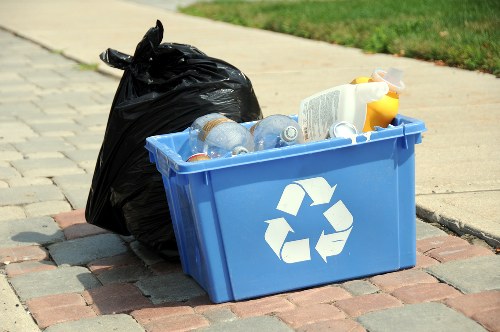
Where sorting is possible, it can sometimes make a collection cleaner and easier to plan. For example, separating recyclable material from general rubbish may improve the way the load is handled. The key point is not to overcomplicate it: give a clear description of the main contents, and we can suggest whether a skip, a clearance service or a different collection method is more appropriate.
Waste removal alternatives and larger clearances
Some projects produce waste that is better removed rather than stored in a container for several days. For those jobs, rubbish removal can be a practical choice, especially when the waste is already gathered and ready to be taken away. It may suit smaller jobs, bulky items or situations where there is no sensible place to keep a skip.
Other customers need a fuller clearance service because the task involves a room, building section or outdoor area rather than a simple heap of waste. In those cases, site clearance, office clearance or muck away services may be the better fit depending on the material involved and how quickly it needs to be removed. The most suitable option is usually the one that fits the space, the waste type and the pace of the project.
Where the load is mainly from a refurbishment or strip-out, it can be useful to think about whether it is a one-off removal or a repeated need. builders waste removal is often suited to trade work where debris builds up in stages, while more compact domestic jobs may be easier to manage with a single skip booking. Matching the service to the waste is often the simplest way to keep costs sensible.
About Greenwich
Greenwich in south-east London is one of the capital’s most recognisable historic districts, lying on the south bank of the River Thames and forming part of the Royal Borough of Greenwich. Its riverside setting has shaped the area for centuries, with the waterline, maritime trade and royal connections all leaving visible traces in the built environment. The Old Royal Naval College, designed by Sir Christopher Wren and begun in the 1690s, remains one of the area’s defining architectural ensembles, while the former Royal Observatory on Greenwich Park is closely associated with timekeeping and the Prime Meridian. The park itself, first laid out as a royal park, gives the district an unusually broad sweep of open land close to the river and the older town centre.
Getting a quotation and planning your collection
When you are ready to ask for a price, the most helpful details are the type of waste, the estimated amount, the address type and any access issues that could affect delivery or collection. A short note about the job is usually enough to begin with, and if you are unsure, we can help you narrow the options before anything is arranged. Our pricing and quotes page is there for customers who want to understand how quotations are put together.
It also helps to know whether the waste is ready now or will be produced over time. A skip is often the best answer when items will be gathered over several days, while a removal service may suit waste that is already piled and ready to leave. If you need to organise the collection online, book online provides a convenient route for starting the process, and same day skip hire may be relevant where timing is particularly tight.
Ask for a quotation when you have the basics to hand, and we will help you choose a sensible service for the job. If you have special handling concerns, it is better to mention them early so the arrangement is clear from the outset. Request a quote today.