Greenwich Market rubbish removal what to know before booking
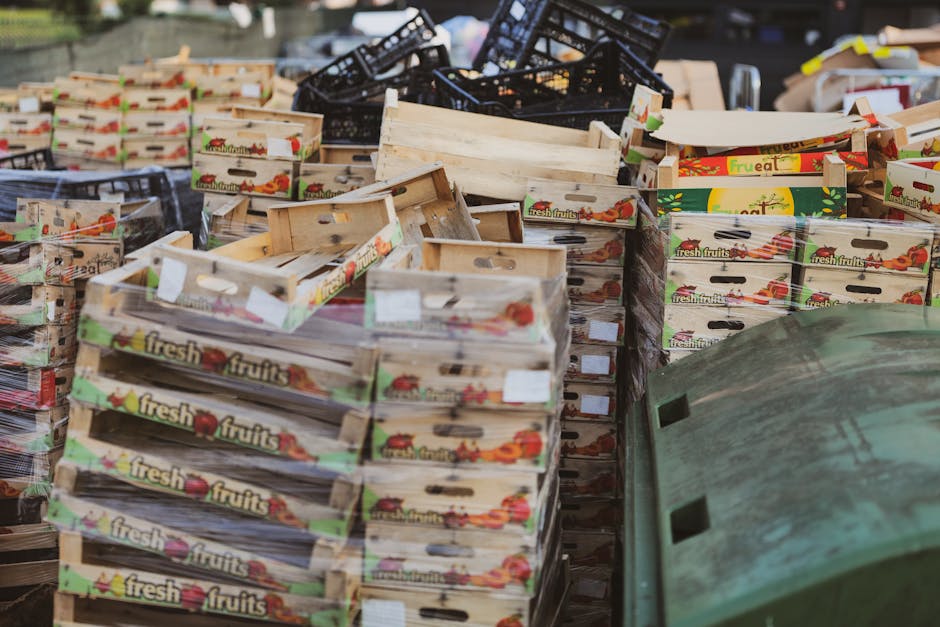
If you are planning Greenwich Market rubbish removal what to know before booking, the main job is not just clearing waste. It is making sure the collection fits a busy, tight-access part of Greenwich without turning a simple tidy-up into a headache. Around the market, timing, vehicle size, loading access, and waste type all matter. Get those right, and the rest is much easier. Get them wrong, and you can end up paying more, waiting longer, or having to rearrange the whole thing. Bit of a nuisance, really.
This guide breaks down what to check before you book, how the process usually works, what rubbish removal is best for, and where people most often trip up. It also gives you a practical checklist, a comparison of removal options, and a few grounded tips from real-world experience. If you want a smoother booking and fewer surprises on the day, start here.
Why Greenwich Market rubbish removal what to know before booking Matters
Greenwich Market is not the kind of place where rubbish removal can be handled casually. It is a busy local area with footfall, mixed-use access, and plenty of the small complications that make waste collection more delicate than it looks. A van that seems fine on a quiet street can be awkward near a market entrance, a loading bay, or a narrow lane. That is why the booking conversation matters so much.
In practice, the biggest issues are usually not the waste itself. It is access, timing, and expectations. A customer might say "just a few bags and some old bits," but once you look properly, you realise there is a broken shelving unit, a mattress, packaging, and a couple of awkward items that need special handling. Not a disaster. Just a reminder to be specific early on.
It also matters because the right service can save you a lot of effort. If you are clearing a flat, shop unit, stall storage area, or garden space nearby, choosing a collection method that suits the site will make the day far calmer. For a more general overview of service types, it can help to compare rubbish removal with other options like man and van or wait and load skip hire.
Key point: booking well is less about finding the first available slot and more about matching the collection method to the real conditions on site.
How Greenwich Market rubbish removal what to know before booking Works
Most rubbish removal bookings follow a simple pattern. You describe the waste, share the location, agree the collection method, and the team arrives to load and take it away. Easy enough in theory. In Greenwich Market, the difference is usually in the detail.
First, you will need to explain what needs removing. That means quantities, item types, and whether anything is heavy, fragile, sharp, or restricted. A small pile of bagged waste is very different from dismantled furniture, appliances, or builder's rubble. The more accurate the description, the better the estimate.
Second, the provider should ask about access. Can a vehicle stop nearby? Is there enough room to load safely? Will someone need to carry items out from inside a building? These questions are not just admin fluff. They affect time, labour, and cost.
Third, the collection itself may happen in a few different ways:
- Direct loading: the team loads waste straight into the vehicle.
- Wait and load: the vehicle waits while you or the crew bring waste out, then leaves once loaded.
- Man and van: useful for smaller, mixed loads where hands-on clearance is needed.
- Skip hire: better if waste will build up over time and you have space for a container.
If you are unsure which route fits your job, it is worth looking at skip hire, man and van, and grab hire services to see how they differ in practice.
Finally, waste is sorted and taken for disposal or recycling. Good providers aim to separate recyclable material where possible and handle prohibited items carefully. If you are dealing with mixed rubbish, that sorting stage matters more than people realise.
Key Benefits and Practical Advantages
When rubbish removal is booked properly, the benefits are immediate. You save time, reduce stress, and avoid the messy middle where waste piles up around a property or trading space. That is especially useful if you are juggling a move, a clear-out, or a renovation and you simply do not want bags sitting around for days. Who does?
Here are the main advantages people usually notice:
- Speed: waste can be removed in one visit rather than handled in bits and pieces.
- Less physical effort: especially useful for bulky items or awkward stair access.
- Cleaner site: helpful if you need the space for customers, trades, or family use.
- Better compliance: professional handling reduces the chance of dumping things in the wrong place or mixing restricted waste.
- More accurate disposal: recyclable and non-recyclable items can be separated more sensibly.
There is also a quieter benefit: peace of mind. Once the waste is booked, there is one less task dangling over your week. For a lot of people, that is the real win. The room suddenly feels bigger. The corridor stops looking like a storage zone. The back garden starts breathing again.
For people managing commercial premises or regular clearances, the service can be paired with commercial skip hire or office clearance where appropriate. Different jobs, same basic aim: remove the clutter without creating more work.
Who This Is For and When It Makes Sense
This kind of service suits more people than you might think. It is not just for big refurbishments or obvious building jobs. In real life, rubbish removal is often booked for small, messy, time-sensitive jobs that are hard to handle with a normal car load or a few council trips.
It makes sense if you are:
- clearing a flat, house, or rental property
- dealing with bulky household items after a move
- sorting out leftover waste from a renovation
- moving stock, packaging, or old fittings from a shop unit
- tidying a loft, garage, or storage room
- needing a one-off collection after a busy weekend, event, or market period
It is also a good fit if you are short on time. Some jobs do not justify hiring a container for several days. Others do not need a huge crew, but they do need a proper lift, shift, and clear-out. In those cases, a flexible removal service can be the sweet spot.
For domestic jobs, you may also want to compare with domestic skip hire or house clearance. For storage spaces, garage and loft clearance can be a more tailored fit. Truth be told, the right choice often comes down to how much waste you have and how awkward it is to move.
Step-by-Step Guidance
If you want the booking to go smoothly, work through the job in a sensible order. Rushing the quote stage is where people often get caught out.
- List everything that needs removing. Walk the space and make a rough inventory. Include bulky items, loose waste, and anything that might need special handling.
- Take a few clear photos. Wide shots help more than close-ups. If access is awkward, photograph the route too.
- Check access and parking. Is there enough space for the vehicle to stop? Will the crew need to carry items a long way? Are there time restrictions?
- Ask about restricted items. Some waste streams need separate treatment. Do not leave this to guesswork.
- Choose the most suitable service. Small mixed loads may suit a removal team, while ongoing waste may be better handled by a container or skip.
- Confirm the load type and price basis. Make sure you understand whether the price is based on volume, weight, item type, or labour involved.
- Prepare the waste before arrival. Bag loose items, flatten where sensible, and keep access clear.
- Be present or reachable on the day. A quick decision about a stray item or a blocked doorway can save a lot of faff.
If your job is a bit more specialised, there are useful service pages worth comparing, such as builders waste removal, construction waste disposal, and site clearance. The job type often tells you more than the address does.
Expert Tips for Better Results
A few small decisions make a big difference. Here are the tips that tend to prevent problems, especially in tighter Greenwich locations.
- Be honest about the volume. People often understate the amount to keep the quote low. It usually backfires.
- Separate obvious recyclables. Clean cardboard, metal, and timber can sometimes be easier to manage when grouped properly.
- Keep access clear from the start. One blocked hallway can slow everything down. A chair in the wrong place, and suddenly everyone is stepping around it like it is a museum exhibit.
- Label anything uncertain. If you are unsure whether something counts as normal waste, flag it early.
- Plan around the day's rhythm. Greenwich can be busy at market times, so a small timing adjustment can save stress.
- Think about security. If waste will be left on site for any period, a lockable option may be worth considering. See enclosed and lockable skip hire if that sounds more suitable.
One practical habit that helps every time: write down what was agreed before the booking is finalised. It sounds dull. It saves arguments. Simple as that.
Common Mistakes to Avoid
A lot of rubbish removal headaches come from the same handful of mistakes. The good news is they are easy to avoid once you know what to watch for.
- Booking without measuring access. If the vehicle cannot get close enough, the job may take longer or cost more.
- Mixing unsuitable waste together. Hazardous or special items should not be left hidden in a general pile.
- Assuming every quote is the same. Some quotes include labour, lifting, and disposal; others do not.
- Leaving everything for the crew to sort. A quick pre-sort can save time and keep the job tidy.
- Ignoring local restrictions. Parking and loading in a busy area can affect what service is realistic.
- Forgetting about awkward items. Sofas, fridges, mattresses, and old appliances can change the plan.
If you are dealing with furniture or appliances, look at mattress and sofa disposal and fridge and appliance removal. Those items often need a slightly different approach from ordinary bagged rubbish.
And yes, the classic mistake is "it's only a few things." Then you look again and realise there are boxes, offcuts, broken shelves, and a printer nobody wants to touch. Happens all the time.
Tools, Resources and Recommendations
You do not need fancy equipment to prepare for rubbish removal. A few simple tools and a bit of organisation go a long way.
- Measuring tape: useful for awkward furniture, narrow hallways, and access points.
- Phone camera: take photos of the waste pile and route to the collection point.
- Heavy-duty bags or boxes: for loose debris, smaller household waste, and items that would otherwise scatter.
- Marker pen and tape: helpful for labelling items that should not be moved or that need checking.
- Basic gloves and sensible footwear: especially if you are moving items before the team arrives.
For planning, a good rule is to compare your waste against the service information before you book. What can go in a skip is a useful starting point if you are not sure what counts as general waste versus restricted material. If you are trying to work out the most cost-effective option, skip sizes and prices can also help frame the discussion.
If you are comparing providers, useful trust signals include clear terms, payment information, and a visible complaints process. That is not glamorous, but it tells you a lot about how the company works. See also payment and security and complaints procedure for the sort of transparency that tends to matter when something changes at short notice.
Law, Compliance, Standards, or Best Practice
Waste removal in the UK is not something to treat casually. Even if your job is small, good practice matters. Waste should be handled by a provider that understands legal and environmental responsibilities, and you should be careful not to include items that require special disposal routes.
You do not need to become an expert overnight, but you should know the basics:
- Hazardous waste: certain materials need separate handling and should not be mixed with normal rubbish.
- Duty of care: waste should be transferred to a legitimate handler and documented properly where relevant.
- Environmental responsibility: recycling and recovery should be considered before landfill where possible.
- Safety on site: heavy lifting, sharp edges, and blocked access all need sensible management.
For specialist waste, use the correct service rather than assuming it can go in a mixed load. Hazardous waste disposal, confidential shredding, and waste recycling services each serve different needs and should be chosen for the right reason.
Best practice is mostly common sense, but common sense works better when it is written down and checked before the crew arrives. A tidy handover is usually a safe handover.
Options, Methods, or Comparison Table
If you are deciding how to clear waste near Greenwich Market, the method matters as much as the waste itself. Here is a simple comparison to help you think it through.
| Option | Best for | Strengths | Things to watch |
|---|---|---|---|
| Rubbish removal | Mixed waste, one-off clearances, bulky items | Fast, hands-on, minimal effort for the customer | Needs clear access and a good waste description |
| Skip hire | Ongoing clear-outs, larger renovation jobs | Flexible if waste builds up over time | Space, loading rules, and permits may matter |
| Wait and load | Short, concentrated jobs with little space | No container left behind, often handy in busy streets | Everything needs to be ready within the booked window |
| Man and van | Small to medium loads, residential or light commercial clearances | Flexible and practical | Can be less suitable for heavy, high-volume waste |
| Grab hire | Bulkier waste, soil, hardcore, larger site jobs | Good for larger loose loads and quicker collection | Access and load type must suit the vehicle |
If your job is more trade-focused, it may be worth comparing builders skip hire, construction waste clearance, and grab lorry hire. The better the match, the smoother the day.
Case Study or Real-World Example
Here is a realistic example. A small independent trader near Greenwich Market has a back room full of broken display stands, packaging, old shelving, and a couple of damaged chairs after a refit. Nothing dramatic. Just enough waste to make the space feel cramped and untidy.
At first, they think a quick van run might do it. Then they check the access: a narrow passage, limited stopping space, and a few items that will not fit neatly into a car or normal estate vehicle. The sensible move is to get a removal quote based on photos and ask whether a hands-on collection is the better option.
What made the job easier was simple preparation. They grouped the waste, cleared the route, and separated anything that looked like it might be reusable or recyclable. The crew arrived, loaded quickly, and the room was usable again the same afternoon. Nothing fancy. Just organised.
That is really the theme here. Good rubbish removal is usually not about luck. It is about a clean handover, a clear description, and a realistic plan. Sounds boring, I know. But boring is exactly what you want on collection day.
Practical Checklist
Use this quick checklist before you book. It will save time later.
- List every item and estimate the amount of waste honestly
- Take photos of the pile and the access route
- Check whether parking or loading space is available
- Separate hazardous, confidential, or specialist items
- Decide whether you need a one-off removal or an ongoing waste solution
- Confirm how pricing is calculated
- Ask what happens if the load is bigger than expected
- Make sure the route is clear before the crew arrives
- Keep a note of the booking details and any restrictions
- Check whether recycling or disposal requirements are relevant to your waste
For some readers, the next sensible step may be a simple quote request. For others, it is checking whether a different service is better suited. If you are still weighing options, pricing and quotes and book online can help you move from planning to action without overthinking it.
And if you want to understand the company behind the service before you go ahead, about us is a sensible place to start. A little due diligence never hurts.
Conclusion
Booking rubbish removal around Greenwich Market is straightforward once you understand the moving parts. The big things to check are access, waste type, timing, and the level of help you actually need. Get those aligned and the process becomes much easier, whether you are clearing a flat, a shop space, or a mixed pile of awkward items.
The best bookings are usually the ones that start with honest photos, a clear list, and a quick conversation about restrictions. That is the difference between a clean, efficient collection and a messy day of last-minute changes. To be fair, the details are not exciting, but they are what make the job work.
If you are ready to move forward, choose the option that fits your space, your waste, and your timetable rather than the one that just sounds easiest at first glance. That small bit of planning tends to pay off properly.
Get a free quote today and see how much you can save.
And once the clutter is gone, the space often feels lighter in a way that is hard to explain until you see it for yourself.
Frequently Asked Questions
What should I tell the provider before booking rubbish removal near Greenwich Market?
Give a clear description of the waste, approximate volume, access details, and whether there are any bulky, heavy, or specialist items. Photos help a lot.
Is rubbish removal better than skip hire for a small job?
Often, yes. If you have a small mixed load and limited space, rubbish removal or man and van can be more practical than leaving a skip on site.
Do I need a permit for rubbish removal?
Usually not for a direct collection, but parking and access may still need to be planned. If you are using a skip and it will sit on public land, a permit may be relevant.
What items are commonly rejected or treated separately?
Hazardous materials, confidential paperwork, some electrical items, and certain large appliances may need special handling. Always check before booking.
How do I know if I should choose wait and load instead?
If space is tight and you can get the waste ready quickly, wait and load can be a smart option. It is especially useful where leaving a container would be awkward.
Can I mix household rubbish with renovation waste?
Sometimes mixed loads are possible, but it depends on the type of waste. Keep hazardous or specialist items separate and describe the load honestly.
How far in advance should I book?
If your collection is straightforward, a short lead time may be enough. For busier periods or tighter access, booking earlier is safer.
What if my load turns out to be bigger than I expected?
Tell the provider as soon as possible. It is much easier to adjust the booking before the crew arrives than to try and squeeze extra waste into a finished plan.
Are recycling and disposal handled for me?
Yes, usually the provider will handle disposal and aim to divert recyclable material where possible. The exact process depends on the type of waste and the service booked.
Can I book rubbish removal for a business or shop near Greenwich Market?
Yes. Mixed commercial clearances, stock room waste, packaging, and light fit-out debris are all common reasons to book. For larger or recurring jobs, a commercial-focused service may be more suitable.
What is the biggest mistake people make when booking?
Underestimating the amount of waste or ignoring access. Those two things cause most of the avoidable problems, and they are easy to check in advance.
How do I choose the safest option for awkward items?
Match the item to the service. Sofas, mattresses, fridges, confidential material, and hazardous waste often need specific handling rather than a general pile-up. If in doubt, ask before booking.