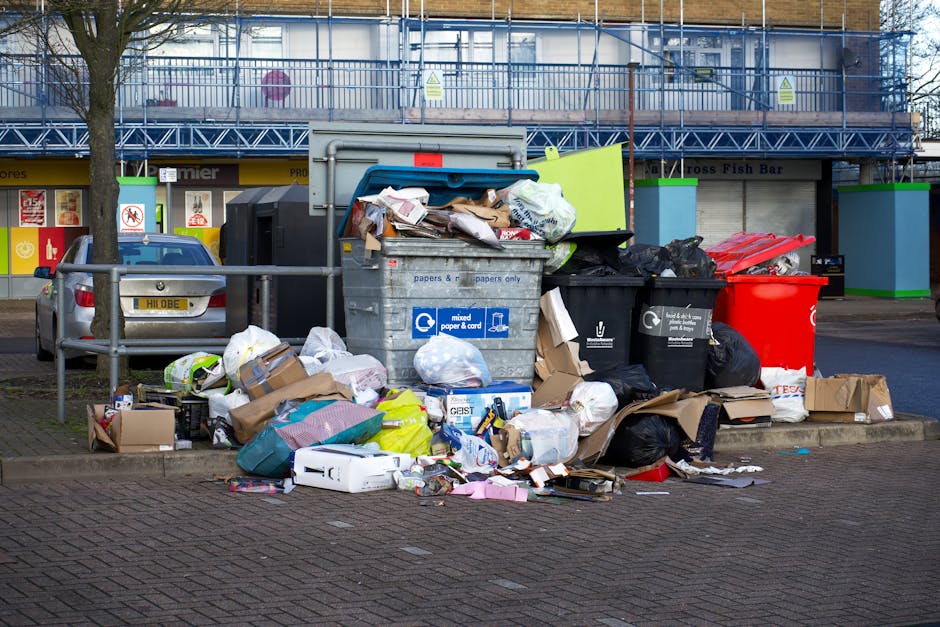
North Greenwich station bulky rubbish tips for commuters: a practical local guide
If you commute through North Greenwich, you already know the rhythm: the rush to catch a train, the bag that suddenly feels too heavy, the awkward moment when you realise that old chair, broken printer, or flattened box pile is not going to shift itself. That is where sensible North Greenwich station bulky rubbish tips for commuters planning comes in. The goal here is simple - help you deal with large, awkward waste without turning your week upside down.
This guide explains what bulky rubbish disposal options actually make sense around North Greenwich, how to choose between them, what mistakes commuters commonly make, and how to handle the whole thing with the least stress possible. Truth be told, the best approach is usually the one that saves both time and faff.
Table of Contents
- Why North Greenwich station bulky rubbish tips for commuters Matters
- How North Greenwich station bulky rubbish tips for commuters Works
- Key Benefits and Practical Advantages
- Who This Is For and When It Makes Sense
- Step-by-Step Guidance
- Expert Tips for Better Results
- Common Mistakes to Avoid
- Tools, Resources and Recommendations
- Law, Compliance, Standards, or Best Practice
- Options, Methods, or Comparison Table
- Case Study or Real-World Example
- Practical Checklist
- Conclusion
- Frequently Asked Questions
Why North Greenwich station bulky rubbish tips for commuters Matters
North Greenwich is a busy travel point, and that matters more than people think when they are trying to get rid of bulky waste. A commuter carrying a dismantled wardrobe panel or an old office chair is not just dealing with rubbish; they are trying to fit a real-world chore into a tight travel routine. That can quickly become a problem if you leave it until the last minute.
Bulky items are awkward for a few obvious reasons: they are hard to carry, they do not fold neatly, and they often create extra timing pressure. You may need to coordinate with a lift, a van, a lift in a building, a storage locker, or a narrow staircase. And if you are heading home after a long day, the last thing you want is a disposal plan that falls apart because the item is bigger than the boot of your car. Been there, regrettably.
There is also the local angle. Around transport hubs, people need disposal solutions that fit around early starts, late finishes, and limited parking. For many commuters, that means looking for a flexible rubbish removal method rather than a full-scale clearance project. The smarter the plan, the less likely it is that the waste becomes a living-room obstacle for another week.
Practical summary: if your bulky item is time-sensitive, awkward to move, or likely to cause transport stress, choose the disposal method that reduces handling, not just the one that sounds cheapest at first glance.
How North Greenwich station bulky rubbish tips for commuters Works
In simple terms, bulky rubbish tips for commuters are about matching the waste to the right disposal route. That could mean a skip, a man-and-van collection, a wait-and-load arrangement, a grab hire option, or a pre-booked rubbish removal service. The best choice depends on what you need to move, how quickly you need it gone, and how much access you have outside your home or workplace.
Commuter-friendly disposal usually works in one of these ways:
- You gather the bulky items at home, in storage, or at the office.
- You choose a collection method that fits your schedule and location.
- You separate recyclable and non-recyclable items where possible.
- You arrange a pickup or drop-off that avoids long delays or repeat trips.
- You confirm access details so the collection does not get stuck at the curb.
To be fair, the "works" part is often where people get caught out. A sofa is not just a sofa. It may have fabric, timber, springs, and metal fixings. A mattress is bulky, but it is also awkward to store, move, and keep dry. A fridge needs special attention because of the materials inside and the way it is handled. A sensible plan treats these as different disposal problems, not one generic pile.
If you are dealing with mixed waste, you will usually get better results by sorting the easy materials first. Cardboard, green waste, and certain household items can often be separated from larger mixed debris. This can make the load easier to handle and sometimes easier to price.
Key Benefits and Practical Advantages
The main benefit is obvious: you get bulky waste out of the way without wrecking your commute or your weekend. But there are a few other practical advantages worth spelling out, because they tend to be the real deciding factors.
- Less stress: You are not trying to drag a heavy item across town after work.
- Better time control: Pre-booked disposal is easier to fit around trains, meetings, and school runs.
- Cleaner living space: Old furniture and broken appliances stop taking up valuable room.
- Safer moving: Fewer chances of injury from lifting awkward, sharp, or unstable items.
- More suitable for mixed loads: Useful when you have a bit of everything rather than one single item.
- Potentially better recycling outcomes: If items are handled properly, more material can be diverted from general waste.
There is also a small but real mental benefit. A cluttered hallway or spare room can quietly drain energy every time you walk past it. Clear that one thing out, and the whole space feels different. A bit calmer. A bit easier to live in.
And yes, bulky rubbish is rarely glamorous. But neither is tripping over a dead printer for three weeks.
Who This Is For and When It Makes Sense
This kind of disposal advice is useful for a few different types of people, and you may fit into more than one category.
- Daily commuters who need a quick, reliable way to dispose of large items without adding a second journey.
- Tenants and landlords dealing with leftover furniture or end-of-tenancy clutter.
- Office workers replacing desks, chairs, filing units, or broken equipment.
- Home movers who want to reduce the load before moving day.
- Small business owners clearing stock, packaging, or old fittings.
- Anyone with limited parking or access who cannot simply load items into a car and hope for the best.
It makes particular sense when the item is too large for a standard bin collection, too heavy to carry by hand for long, or too inconvenient to keep storing. If you live near a station, the timing issue matters even more. A half-hour delay can become a whole evening gone if your waste plan is not tight.
Think of the commuter scenario: you step off the train, grab a parcel, and remember the broken chair waiting at home. Do you really want to spend your evening trying to work out whether the council will take it, whether your car is big enough, or whether the lift is working? Probably not.
Step-by-Step Guidance
Here is a straightforward way to approach bulky rubbish disposal near North Greenwich without overcomplicating it.
- Identify the item or load. Is it one sofa, a few bags of mixed waste, a mattress, or a full room clear-out?
- Check size and weight. Measure awkward items if you can. Even rough dimensions help you choose the right method.
- Separate reusable, recyclable, and disposable material. This is especially helpful for furniture, electronics, cardboard, and garden waste.
- Think about access. Narrow stairs, basement flats, controlled parking zones, and lift access all affect the best option.
- Choose a disposal method. For example, a skip, wait-and-load, man-and-van, or a specialist collection service.
- Confirm what is accepted. Some services can handle mixed waste, while others need restricted materials kept out.
- Book for a practical time. A slot that fits your commute is better than a theoretical "sometime tomorrow" arrangement.
- Prepare the items. Remove loose contents, tape sharp edges where needed, and keep access routes clear.
- Load or hand over safely. Avoid carrying too much at once. One careful trip beats one dodgy back, every time.
- Finish with a quick check. Make sure nothing has been left behind in cupboards, under tables, or behind the sofa.
If you are dealing with several bulky pieces, it often helps to photograph them first. Not for social media, obviously. Just to help you remember what needs to go when you are arranging collection or comparing disposal options.
Expert Tips for Better Results
Small decisions make a big difference with bulky rubbish. Here are the things that tend to save the most time in real life.
- Choose the disposal method before you start moving items. It sounds obvious, but people often dismantle furniture first and then realise they have nowhere to put it.
- Flatten what can be flattened. Cardboard, light packaging, and some furniture pieces become much easier to handle once broken down.
- Keep mixed waste separate until the last possible moment. That makes it easier to spot recyclable materials.
- Check for hidden hazards. Old DIY waste can contain nails, glass, screws, or splinters. Not ideal in a rush.
- Use protective gloves and proper footwear. A small precaution now is better than a painful mess later.
- Plan around the commute. If you leave bulky waste work for the exact same evening you have a late train and rain, you are setting yourself up for misery. Let's be honest.
One tip people often miss: if your load includes both household rubbish and a few specialist items, deal with the specialist items first. For example, a mattress, appliance, or confidential paperwork may need different handling. That avoids last-minute confusion when the collection team arrives.
Another useful habit is to keep a running "clear out" list in your phone. Nothing fancy. Just a note with the items you want gone. When you finally get a free Saturday morning, you will be glad you did.
Common Mistakes to Avoid
Bulky waste problems are usually caused by simple mistakes, not dramatic ones. The good news is that most of them are easy to avoid once you know what to look for.
- Leaving booking too late. If you need a collection around a commute, availability matters.
- Guessing item type without checking restrictions. Some items need special handling, and assumptions can be expensive.
- Forgetting access issues. A collection service cannot magically appear inside a locked courtyard or past a parked delivery van.
- Mixing prohibited items into general waste. That can cause delays or refusal at collection time.
- Overestimating what one vehicle can handle. A sofa, mattress, broken cabinet, and a stack of bags can add up quickly.
- Assuming the cheapest option is the best option. Cheapest on paper, yes. Best on a wet Tuesday with no parking? Maybe not.
Another common one is forgetting that large items often need dismantling. A bulky wardrobe can become surprisingly manageable once doors and shelves are removed. Just keep the screws in a labelled bag. Future you will be grateful, and that is not an exaggeration.
Tools, Resources and Recommendations
You do not need a van full of equipment to handle bulky rubbish well, but a few basic tools make life easier.
- Heavy-duty gloves for grip and protection.
- Strong bin bags or rubble sacks for smaller loose items.
- Basic screwdriver set for dismantling furniture.
- Measuring tape to check whether items will fit through doors, lifts, or hallways.
- Ratchet straps or rope if you are securing items for transport.
- Protective dust sheets if you are working through an indoor clearance.
- Marker pen and labels for sorting parts and keeping hardware together.
If you are comparing disposal options, it also helps to think about the job in terms of speed, access, and handling effort. A wait-and-load arrangement may suit a quick clear-out near a station. A skip may suit a longer project where waste accumulates over several days. A man-and-van style collection can work well for mixed bulky items when you want them removed in one go. For larger building or garden loads, services such as grab lorry hire or muck away services may be more suitable, depending on the material and access.
If you are dealing with an office or workspace, it may also be worth looking at office clearance for a more structured approach. For heavier household items, mattress and sofa disposal can save a lot of hassle when the item is too awkward to shift alone.
Law, Compliance, Standards, or Best Practice
For bulky rubbish, the safest approach is to follow accepted UK waste-handling practice and make sure your waste goes to a legitimate disposal route. You do not need to become a legal expert, but a few common-sense principles matter.
First, do not leave waste where it could obstruct pavements, roads, entrances, or shared spaces. That may create safety issues and can lead to complaints. Second, avoid mixing items that need special treatment with general household rubbish. Appliances, confidential documents, and some materials should be handled separately. Third, use a provider that can explain how waste is managed and, where relevant, how recycling is prioritised.
If you are arranging a skip or a large collection in an area with restricted access, permits may be required depending on where the container is placed. That is especially relevant if waste will occupy public highway space. A provider familiar with skip hire permits or skip permits can help clarify the practical side, but always check the exact arrangement before booking.
There is also a best-practice angle around safety. Large items can hide sharp edges, unstable parts, and heavy components. Proper lifting technique, careful loading, and sensible packing are not just niceties; they reduce the chance of injury and damage. The same is true for keeping access routes tidy so nobody trips over an abandoned footstool at the last second.
Where you are dealing with waste from a business, household, or mixed premises, it is sensible to keep records, receipts, and clear notes about what was collected. Not glamorous, I know, but useful. Especially if you need to show that waste was handed over appropriately.
Options, Methods, or Comparison Table
Choosing the right bulky waste option is easier when you compare the practical trade-offs side by side. The "best" method depends on volume, time, access, and how much lifting you want to do yourself.
| Method | Best for | Pros | Watch out for |
|---|---|---|---|
| Skip hire | Ongoing projects, mixed waste, larger volumes | Good capacity, flexible loading | Needs space, may require permits |
| Wait-and-load | Quick clear-outs, limited space, busy streets | No need to keep a container on-site | You must be ready when the vehicle arrives |
| Man-and-van | Bulky household items, partial clearances | Low hassle, useful for awkward items | Can be less efficient for very large loads |
| Grab hire | Heavy, loose, or bulky material | Fast for substantial waste quantities | Access and material type matter |
| Specialist item collection | Sofas, mattresses, appliances | Simple for one-off items | May not suit mixed loads |
As a rough guide, if you are clearing one or two bulky items after work, a collection service can be the least disruptive option. If you are tackling a room, garage, or office clearance, a larger method often makes more sense. And if you are handling construction or renovation waste, dedicated services such as construction waste disposal or builders waste removal are usually a better fit than a general household collection.
Case Study or Real-World Example
Here is a realistic example. A commuter living near North Greenwich finishes a flat move on a Thursday evening. In the hallway are a wardrobe side panel, an old desk chair, two flat-packed boxes, and a broken bedside table. None of it is enormous on its own, but together it is awkward enough to make the room feel unfinished and cluttered.
At first, the plan is to drag everything out bit by bit over the weekend. But after work, the narrow window between arriving home and catching the last bit of daylight is tiny. So the resident does three sensible things: measures the larger items, separates cardboard from furniture, and checks whether anything needs dismantling before arranging removal. The wardrobe panel is unscrewed, the chair is kept intact, and the cardboard is flattened.
Collection happens the next morning. No extra car hire, no second journey across town, no trying to fit a wonky desk into a hatchback. The biggest win? The flat feels liveable again by lunchtime, which sounds small until you have been walking around the same pile for a week. Sometimes that is all the difference.
In another real-world type of scenario, a small office near the transport corridor clears out old chairs, a printer unit, and a few heavy storage pieces. Rather than leaving everything to the end of the month, the team books a clearance slot that avoids peak commute pressure. The result is less disruption to staff and fewer delays getting bulky items out through shared entrances. Simple, but effective.
Practical Checklist
Use this checklist before you arrange bulky rubbish disposal near North Greenwich.
- Confirm exactly what items need removing.
- Measure large or awkward pieces.
- Check for stairs, lifts, tight doors, or parking limits.
- Separate recyclable material where possible.
- Remove personal items from drawers, pockets, and cabinets.
- Look for hazards such as glass, nails, batteries, or sharp fittings.
- Choose the disposal method that matches the volume and access.
- Check whether specialist items need separate handling.
- Book a time that fits your commute and building access.
- Prepare a clear path from the item to the exit.
- Keep screws, fittings, and labels together if dismantling furniture.
- Have payment, contact, and access details ready.
One line worth remembering: if the item is awkward before you start, it will not magically become easier later. Best to plan properly from the outset.
Conclusion
North Greenwich station bulky rubbish tips for commuters are really about making one of life's dull-but-necessary tasks easier. With the right plan, bulky waste does not have to hijack your evening, your weekend, or your patience. The trick is matching the item, the access, and the timing to a disposal method that feels realistic for your routine.
If you only need to remove one awkward item, keep it simple. If you have a mixed load, sort it first. If access is tight, choose a method that reduces carrying and avoids unnecessary trips. That way, you are not just getting rid of waste; you are buying back a bit of space and breathing room. And honestly, that matters more than people admit.
Get a free quote today and see how much you can save.
When the last box is gone and the hallway is clear again, even an ordinary journey feels a little lighter. That's the kind of result worth aiming for.
Frequently Asked Questions
What counts as bulky rubbish near North Greenwich station?
Bulky rubbish usually means items that are too large, heavy, or awkward for standard bin collections. That can include sofas, wardrobes, mattresses, chairs, appliances, and mixed household clutter. If you would struggle to move it quickly by hand, it probably counts as bulky waste.
Can I get rid of a sofa on my commute?
You can arrange disposal around your commute, yes, but the sofa itself still needs the right removal method. For many commuters, the easiest route is to book a collection service rather than trying to move it themselves after work. It saves time and avoids the "where on earth does this fit?" moment.
Is skip hire or rubbish removal better for bulky items?
It depends on volume and access. Skip hire suits larger or ongoing jobs, while rubbish removal or man-and-van style collection is often better for one-off bulky items. If parking or space is limited, a collection-based option may be more practical.
Do I need to dismantle furniture before disposal?
Not always, but dismantling can make collection easier and cheaper in some cases. It also helps if your access is tight, such as narrow stairwells or small lifts. Keep screws and fittings together in a labelled bag so you do not lose them halfway through.
What bulky items are usually accepted?
Common accepted items include furniture, mattresses, large household clutter, and many general bulky items. Appliances, confidential materials, and certain waste types may need separate handling. It is always sensible to check before booking, especially if the load is mixed.
How do I know if my waste needs special handling?
If the item contains chemicals, cooling gases, electrical parts, confidential paperwork, or sharp contaminated materials, it may need special treatment. When in doubt, separate it and ask for guidance rather than assuming it can go in with general rubbish.
Can I book a collection for the same day?
Sometimes, yes. Availability depends on timing, load type, and local scheduling. If your bulky waste is urgent, same-day or next-day collection may be possible, but it is best not to leave it until the last minute.
What should commuters check before booking?
Check access, item size, parking restrictions, lift availability, and whether the items need dismantling. If you are arranging disposal around station travel, make sure the slot gives you enough buffer time. Rushing bulky waste removal is never fun, and rarely tidy.
Can bulky waste be recycled?
Often, yes. Many bulky items contain recyclable materials such as metal, wood, cardboard, and certain plastics. A good provider will separate recyclable content where possible, which is better for the environment and usually better practice overall.
What is the cheapest way to remove one bulky item?
There is no single answer, because the cheapest option depends on the item, access, and timing. A one-off collection may be cheaper than hiring a larger service if you only have one item. But if you need to make multiple trips or hire transport, the maths can change quickly.
Do I need a permit for bulky rubbish disposal?
If a skip or container is placed on public highway space, a permit may be required depending on the arrangement. That is not always necessary for collection-based disposal. If you are unsure, ask before you book so there are no awkward surprises later.
What is the best advice for busy commuters with bulky rubbish?
Plan early, reduce handling, and pick the method that fits your schedule rather than the one that looks easiest in theory. The best commuter-friendly solution is usually the one that avoids extra lifting, extra trips, and extra stress. Keep it simple, keep it safe, and give yourself a bit of breathing room.
If you want the process handled with less hassle, compare your options carefully and choose the route that fits your day, not the other way round. That tends to work best, in our experience.